

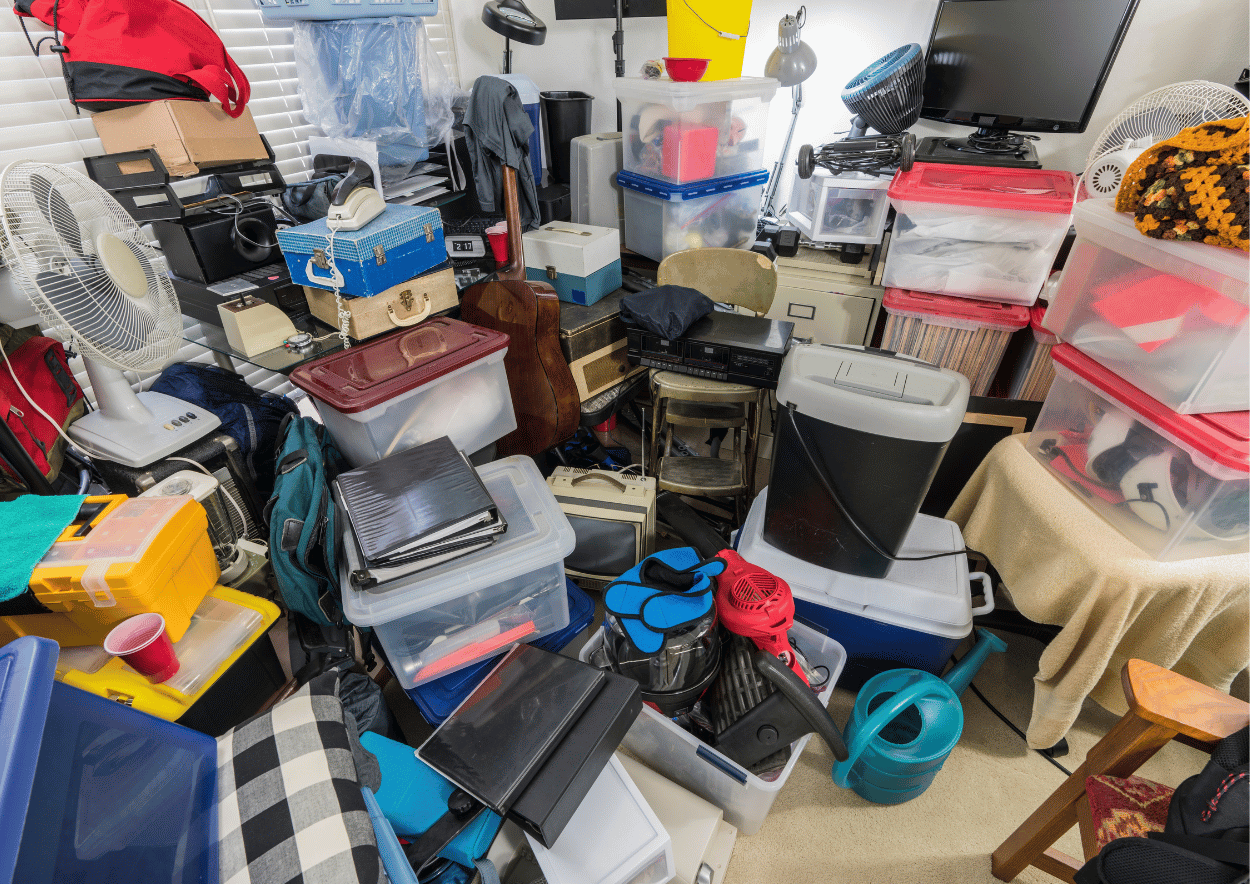
What to Do When No One Wants Your Belongings
This month, we covered how to divide personal belongings fairly among your children. It focuses on children who may disagree over Mom and Dad’s things. Siblings may each believe a parent promised them the same item. Or one child ends up with the valuable pieces while another receives only sentimental ones.
However, many families face the opposite problem. Adult children may not want the silver, the family china, the furniture, or the collectibles at all. Whether you’re the parent hoping to pass things down or the adult child unsure how to say no, you’re far from alone. There are practical, respectful ways to approach downsizing personal belongings to align with your Oregon estate plan.
Why This Generation Doesn’t Necessarily Want the China
Families once assumed that a mother’s china, silver, and crystal would pass to her children as a rite of passage. That assumption doesn’t hold the way it once did. Today’s adult children often live in smaller homes and move more frequently. Many have built lives around different priorities than the generation before them. Author Elizabeth Stewart has written about this shift. She notes that many adult children simply want a clear, uncluttered life. For them, a parent’s downsizing often means their own upsizing, both physically and emotionally.
This is not a reflection of how much your children love you or valued growing up around these items. It’s a genuine, and increasingly common, mismatch between generations in what “home” should hold.
What to Do When the Answer Is “No Thanks”
Maybe you’ve offered an item to your children and heard hesitation, or an outright no. Here are a few paths forward that don’t require anyone to feel guilty:
- Ask specifically, not generally. “Do you want anything from the house?” is hard to answer. “Would you like Grandma’s rocking chair, or should I sell it?” is much easier to answer.
- Consider selling and sharing the proceeds. For items with real value, an estate liquidator, consignment shop, or auction house can find a buyer who genuinely wants the piece. Your children can then divide the proceeds instead of the item itself. Picture a widower with his late wife’s antique collection. He might hire a specialist to find buyers and split the profits among his daughters. That approach honors the collection’s value without burdening anyone with objects they have no room for.
- Get a value estimate before you decide. Not everything is worth what you paid for it, and not everything is worthless either. A quick appraisal, even an informal one, can help you and your family make informed decisions rather than guesses.
- Let some things go. Not every item needs a home. Recycling, responsible disposal, or a simple donation pickup is a legitimate ending for things that have served their purpose.
- Donate thoughtfully. Many charities are increasingly selective about furniture and household donations. Call ahead to confirm what an organization can actually use before you load the truck.
Downsizing From a Distance
The geography problem compounds the emotional one. Your children may live across the state or across the country. If so, sorting through a lifetime of belongings can’t happen over a single weekend visit. No one should expect it to. A few approaches that make distance more manageable:
- Photograph, don’t ship, for decisions. Take clear photos of items you’re considering passing down. Send them to your children for a simple yes or no before you pack or ship anything. This avoids the cost and hassle of moving something no one actually wants.
- Use video calls for a walkthrough. A live video tour of a room or closet often surfaces reactions and memories faster than a written list. Family members can also flag items in real time.
- Digitize what carries the memory, not the object. You can often scan or digitize photographs, letters, and recordings. That preserves the sentimental value without anyone storing or shipping the physical item.
- Ship only what your family wants. For the items your family does want, small-move and specialty shipping companies can crate and ship furniture, art, or heirlooms. No one needs a full moving truck or to rent a moving van to transport the tangible personal effects out of state.
- Bring in a local professional. A senior move manager can coordinate sorting, selling, donating, and packing on the ground. Look for one credentialed through the National Association of Senior & Specialty Move Managers (NASMM). Then no one has to take unpaid leave or make a costly last-minute trip just to clear out a home.
A Gentler Way to Start: Death Cleaning
Does all of this feel overwhelming to face at once? Swedish author Margareta Magnusson popularized a gentler framework called döstädning, or “death cleaning.” The idea isn’t morbid. It means gradually clearing out belongings well before they become anyone else’s responsibility. The process becomes an act of care for the people you love, rather than a chore to dread.
Magnusson encouraged starting the process in the second half of life and working through it gradually. Keep what truly matters, such as photographs, letters, and a few treasured keepsakes. Let the rest go with intention. Framed this way, downsizing becomes something you do for your family, not just to your belongings.
When to Bring in Professional Help
Not every situation calls for outside help, but a few signs suggest it’s worth considering:
- The home is large, or the timeline is short, particularly if a health crisis, not advance planning, is prompting the move.
- Family members live in different states and can’t realistically coordinate the physical work themselves.
- There are items of real or uncertain value that deserve a proper appraisal before you sell, donate, or discard anything.
Senior move managers, estate liquidators, auctioneers, and appraisers each play a different role. A good local professional can often coordinate several of these services. Your family then avoids managing five separate vendors during an already stressful time.
Naming What You Actually Want Passed Down
As we discussed in our post on dividing personal property, the same approach prevents both extremes. It avoids family conflict over contested items, and it avoids unwanted belongings no one asked for. The approach is simple: talk about it and write it down. Start with a short conversation about what your children genuinely want. Then record your true heirlooms in a Tangible Personal Property Letter of Instruction. Your will or trust refers to that letter, so your personal representative or trustee knows exactly what you intended. Nothing protects your family’s time and peace of mind better, and no amount of careful packing comes close.
For everything else, it is alright if the honest answer is that no one wants it. That does not diminish what the item meant to you. It simply means the story of that item is now complete.
How Catalyst Law Can Help
At Catalyst Law, we help clients plan for personal property as part of a complete estate plan. That includes preparing a Letter of Instruction for the items that matter most. It also means accepting that not everything needs to pass down. Maybe you’re anticipating the needs of your children living out of state. Or you may be thinking ahead about your own belongings. Either way, we’re glad to help you build a plan that reflects what your family actually wants.
Let’s Make This Part Easier
Whether you’re planning ahead for your own belongings or helping a parent downsize from out of state, we’re here for you. Together, we can build a plan that’s honest about what your family actually wants. Nobody should end up holding items, or guilt, they didn’t ask for.
Our offices serve clients throughout the Portland metro area and surrounding communities, including King City, Tigard, Tualatin, Lake Oswego, Sherwood, and Newberg.
 Call us today to speak with a team member
 Or complete the Online Interest Form to get started